01. Tower Crane Drivers Strike – UK
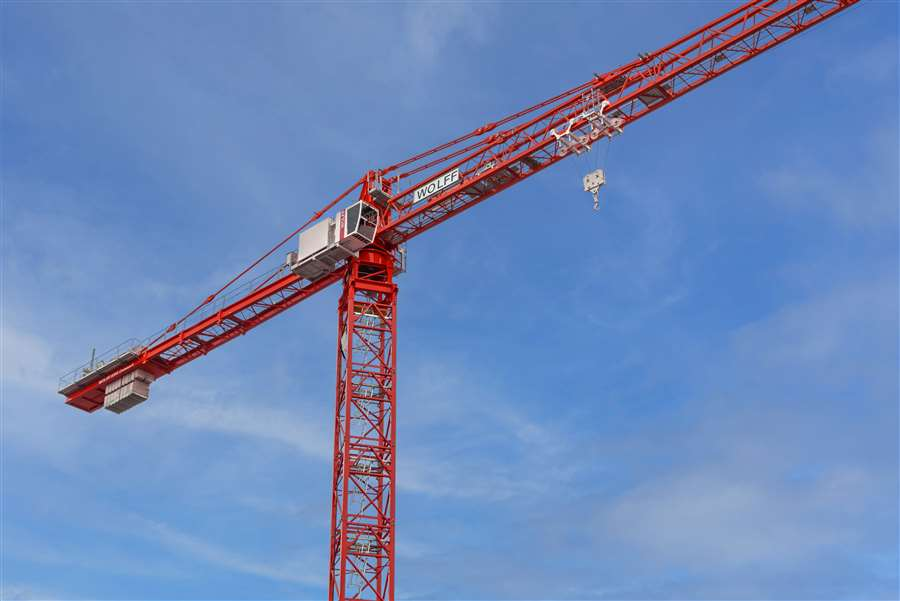
WHAT: Tower crane drivers begin strike action.
WHO: Operators at Wolffkran UK, represented by Unite union.
WHEN: From 27 January 2026, 24-hour strike action planned every two weeks.
WHY: Pay dispute and proposed changes to terms and conditions after three years without a pay rise.
SCALE: ~90 unionised drivers out of 123 total.
PAY: Basic rate around £17.20/hour; average annual earnings approx. £66,000 including overtime.
IMPACT: Potential disruption across major UK construction projects relying on tower cranes.
COMMENTS:
Labour availability, rather than crane supply, continues to be a critical constraint for tower crane operations in mature markets.
02. Tower Crane Down – Leiria, Portugal
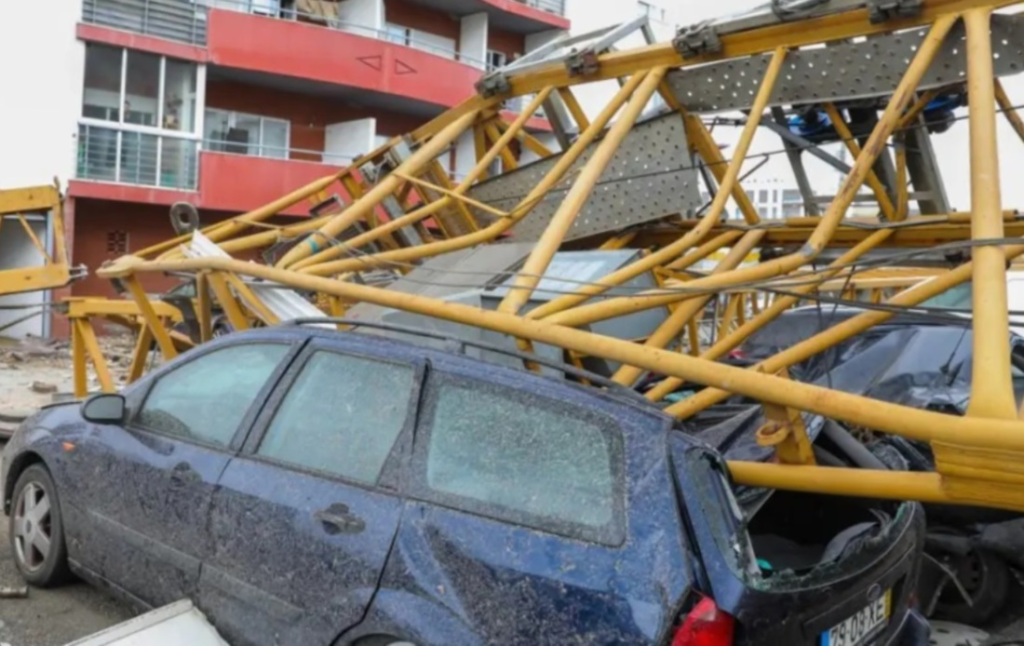
WHAT: A tower crane collapsed onto a car during severe storm conditions.
WHERE: Leiria, central-western Portugal (between Lisbon and Porto).
WHEN: Last week(No exact date was found).
CAUSE: Storm Kristin with recorded winds up to 178 km/h before monitoring equipment failure.
CASUALTIES: Three storm-related fatalities in the town; none confirmed as a result of the crane collapse.
EQUIPMENT IMPACT: Crane came down onto a parked vehicle; extent of broader damage under review.
SOURCE: Vertikal.net (29 Jan 2026)
COMMENTS: Extreme wind events remain a primary environmental hazard for tower cranes; design and site procedures for withstanding gusts near structural limits are critical.
03. Tower Crane Rescue – Nanaimo, Canada
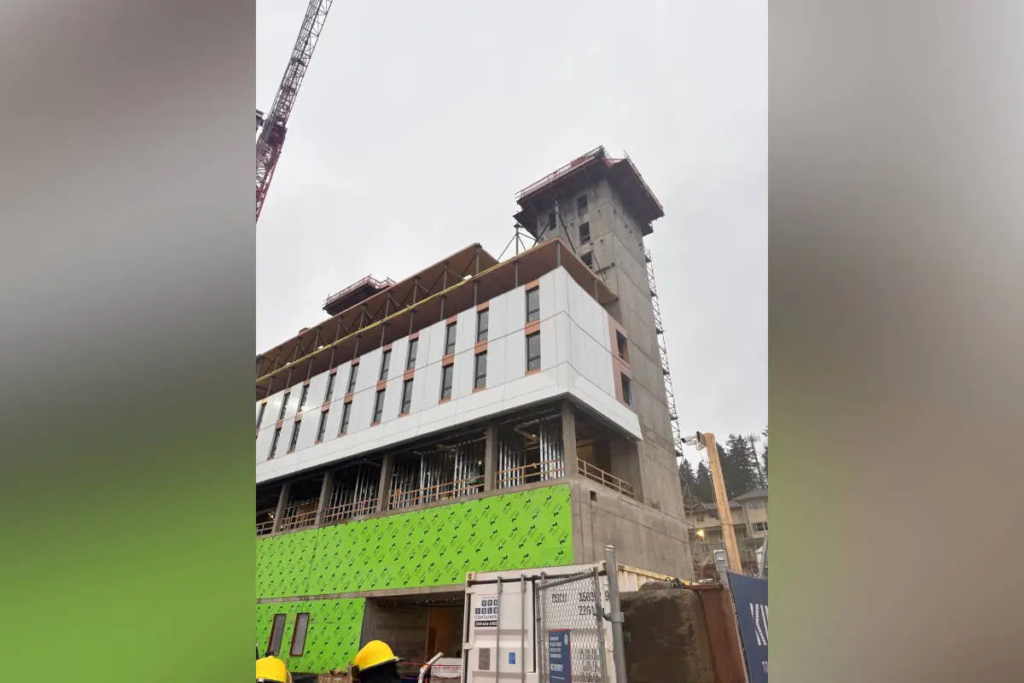
WHAT: Construction tower crane used to lower an injured worker safely to waiting ambulance.
WHERE: University Crescent construction site, Nanaimo, British Columbia, Canada.
WHEN: 28 January 2026, ~16:00 local time.
INCIDENT: Worker fell over 3 m on site; crane employed as part of rescue operation with fire rescue and ambulance services.
RESPONSE: Nanaimo Fire Rescue and B.C. Ambulance personnel coordinated worker extraction from elevated position to medical care.
SOURCE: Nanaimo News Bulletin (30 Jan 2026) – Nanaimo News Now (30 Jan 2026)
COMMENTS: On-site crane utilization for emergency evacuation underscores the importance of integrated rescue planning and high-angle rescue capability in construction operations.